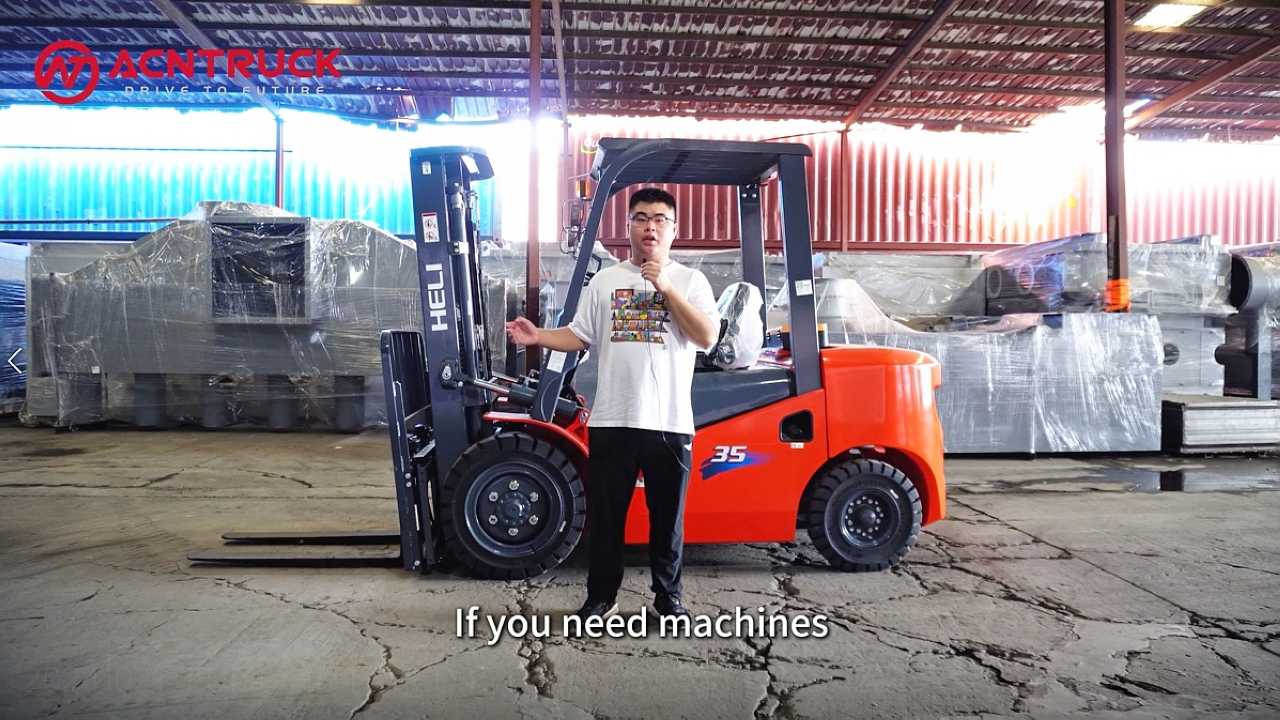
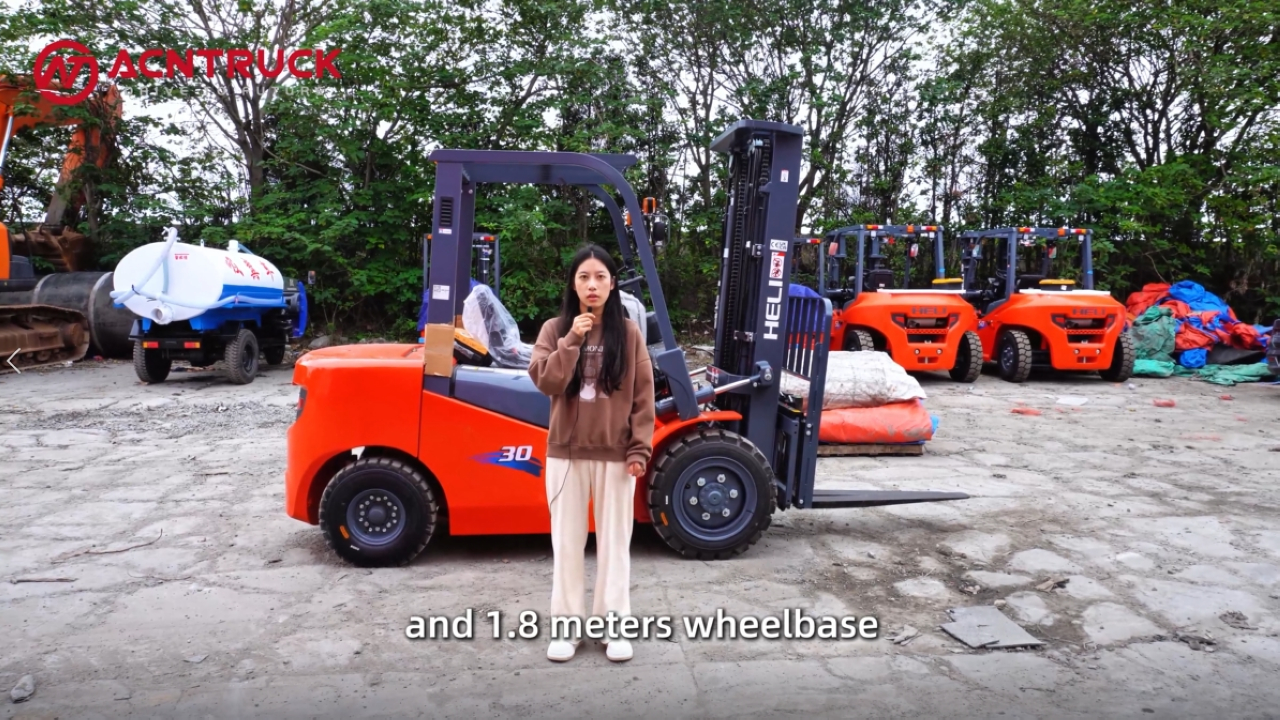
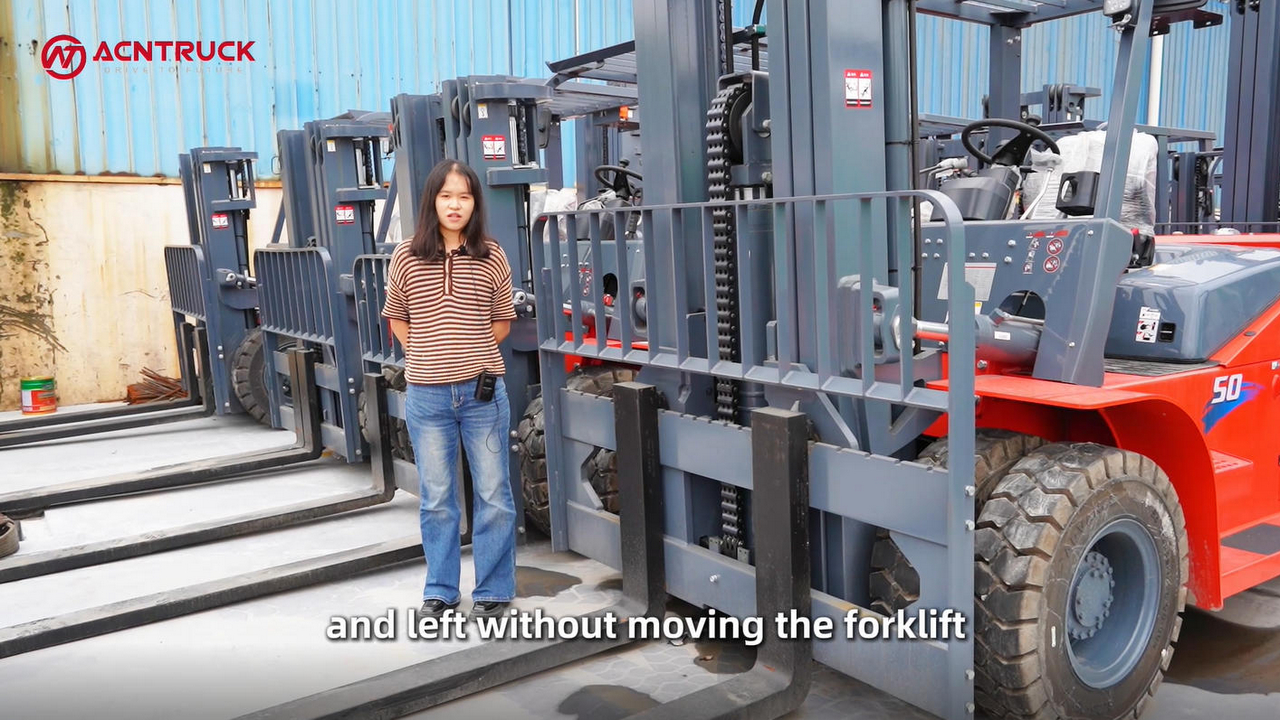
Daily maintenance of forklifts is a crucial
measure for ensuring stable equipment operation, but more frequent maintenance
isn’t necessarily better. If maintenance practices are improper, they may
actually increase component wear, raise maintenance costs, and even compromise
equipment safety.
For forklifts, engine oil, grease, the
hydraulic system, and general cleaning must all be maintained in accordance
with the equipment’s specifications. The following four common forms of
over-maintenance are worth noting.
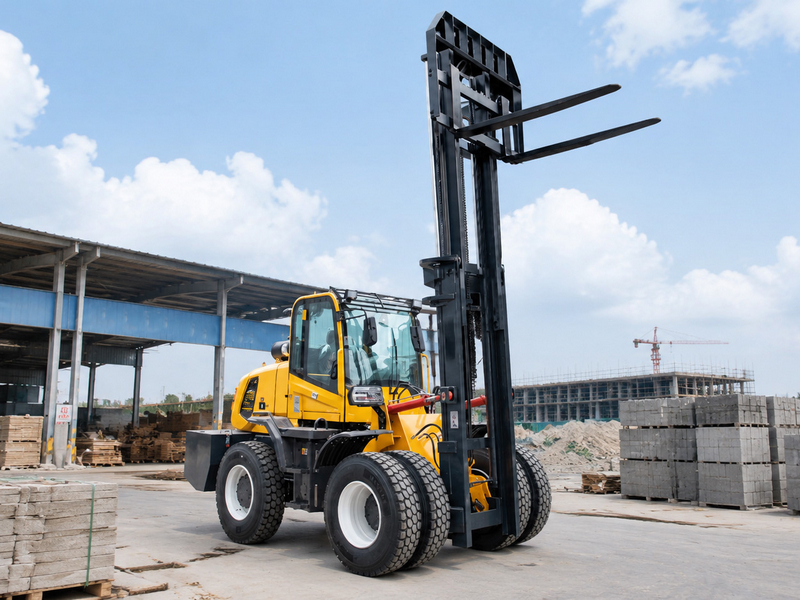
1. Changing Engine Oil Too Frequently
Some users believe that the more frequently
they change the engine oil, the better the protection for the engine, so they
often change the oil ahead of schedule.
In reality, the oil change interval is typically
determined by engine load, oil performance, and actual operating conditions.
Frequent oil changes not only increase oil and labor costs but also increase
the number of times components such as drain plugs and filter seals are
repeatedly removed and reinstalled, thereby raising the risk of oil leaks.
It is recommended to change the engine oil
according to the intervals specified in the equipment manual. For harsh
operating conditions—such as high dust levels, prolonged heavy loads, or
high-temperature environments—the replacement interval may be appropriately
shortened based on actual conditions; however, frequent oil changes without
valid reason are not recommended.
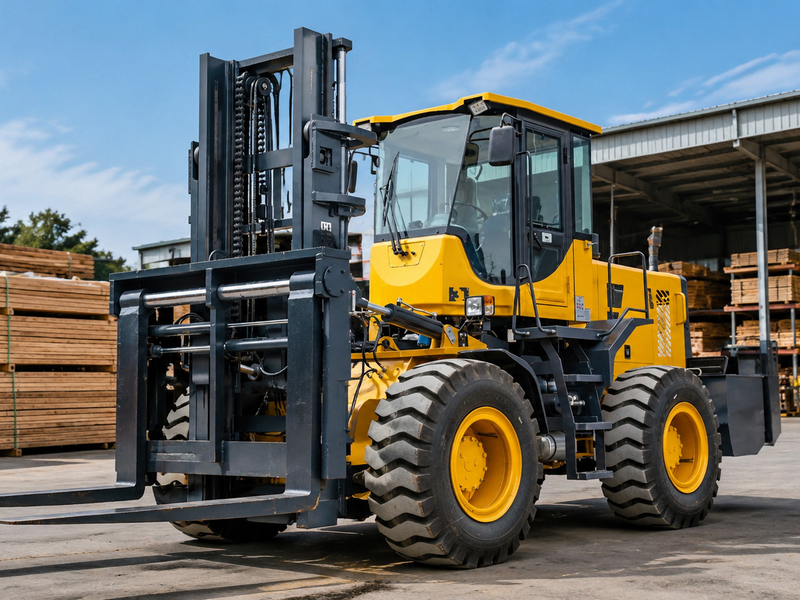
2. Excessive Grease Application
Components such as the mast, chains, pins,
and bearings require regular lubrication, but more grease is not necessarily
better.
Excessive grease easily attracts dust and
grit, forming sludge on component surfaces that accelerates wear on pins,
rollers, and guide rails. Excess grease may also contaminate brake components
and tire contact surfaces, impairing the equipment’s braking performance.
Therefore, grease should be applied in
moderation according to equipment specifications. After application, promptly
remove any excess grease and regularly clean accumulated sludge and impurities.
3. Indiscriminately Increasing Hydraulic System Pressure
When a forklift experiences slow lifting or
insufficient power, some users may immediately increase the hydraulic system
pressure in an attempt to improve the equipment’s operational efficiency.
This practice may cause the hydraulic pump,
oil lines, cylinders, and seals to be subjected to pressures exceeding their
design limits over extended periods, increasing the risk of leaks, wear, and
even component failure. Excessive pressure may also affect the stress
conditions of structural components such as the mast, thereby reducing the
equipment’s operational safety.
If issues such as weak lifting power or
slow movement occur, you should first check the hydraulic fluid level and
condition, verify whether the filter element is clogged, and inspect hydraulic
components for leaks. After confirming the cause of the malfunction, adjust the
pressure according to the equipment specifications.
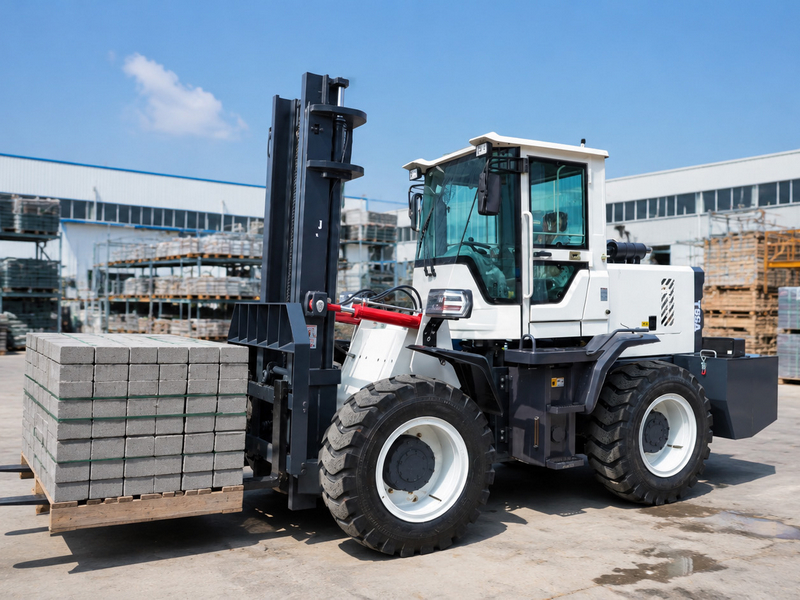
4. High-Frequency High-Pressure Washing of Equipment
Keeping the forklift clean helps detect
fluid leaks and component abnormalities in a timely manner, but frequently
using a high-pressure water gun to wash the entire vehicle is not necessarily
better.
High-pressure water jets may enter
instrument panels, controllers, battery terminals, and wiring harness
connections, increasing the risk of moisture ingress, short circuits, or poor
electrical contacts in the electrical system. At the same time, water
accumulated inside the frame and in component crevices may accelerate corrosion
of metal parts if not dried promptly.
For daily cleaning, prioritize low-pressure
washing or wiping with a damp cloth. When cleaning electrical components, avoid
direct exposure to high-pressure water jets. When applying rust-preventative
oil, avoid contact with brake components, electrical connectors, and heat
dissipation areas.
Forklift maintenance should be based on the
equipment manufacturer’s technical requirements and actual operating
conditions. Only through reasonable maintenance intervals, appropriate
lubrication, standardized hydraulic system maintenance, and proper cleaning
methods can maintenance truly be effective.
Excessive maintenance not only increases the cost of consumables and labor but may also introduce new risks of malfunctions. Therefore, forklift maintenance should emphasize “moderation” and “standardization.” Through scientific maintenance, the failure rate can be reduced, the service life of the equipment extended, and the safety and efficiency of construction and warehousing operations ensured.

+86-21-6212-0109
+86-21-6212-0109
+86-188-0523-6192
+86-136-6172-8724
Suite 2107, Gubei International Fortune Center, No. 1438 Hongqiao Road, Changning District, Shanghai 200336, China