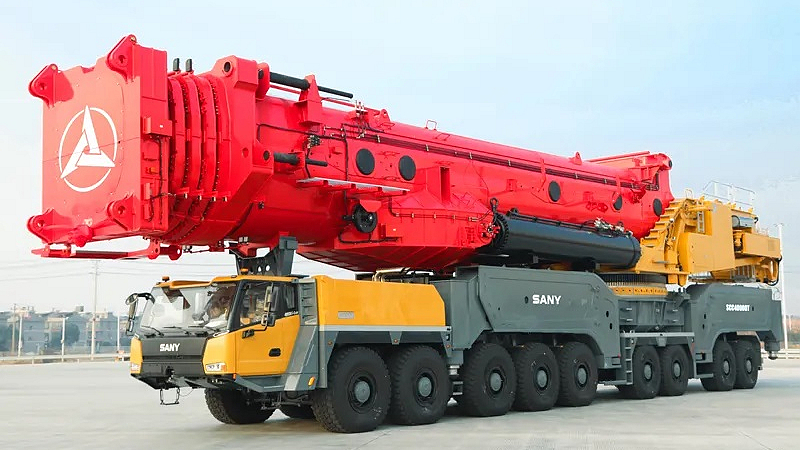
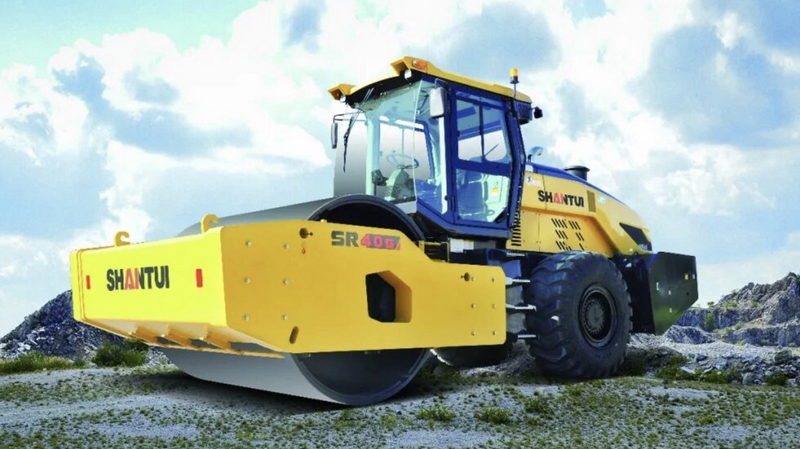
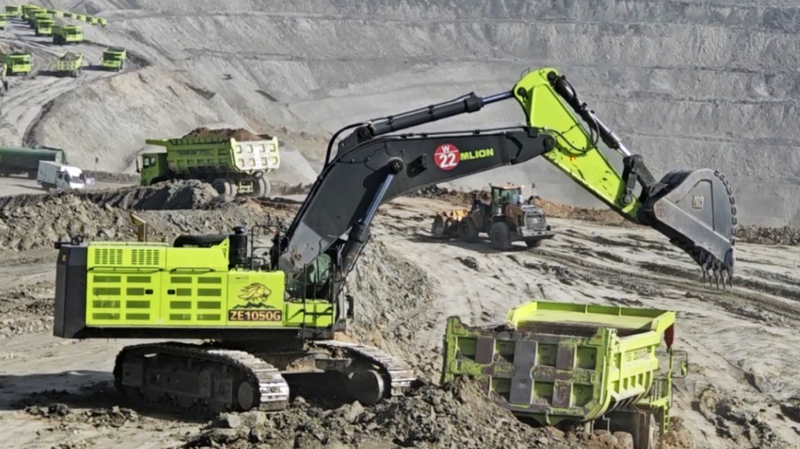
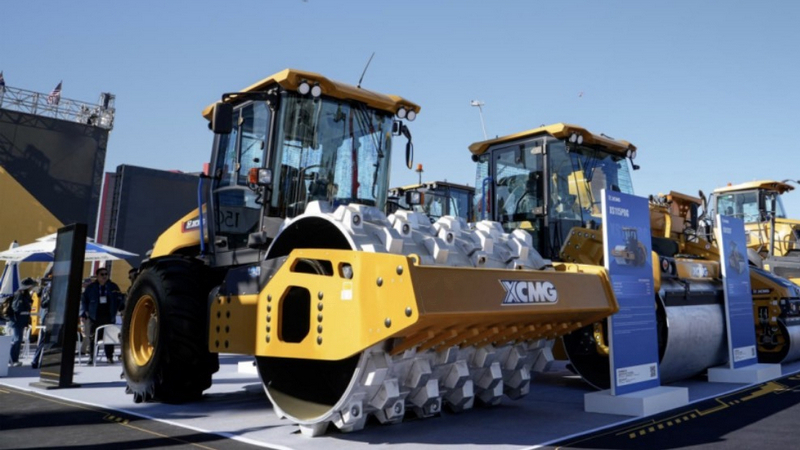
Driven by market demand, the transition to
electrification in China’s construction machinery industry is accelerating.
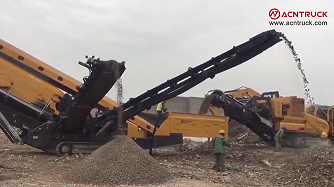
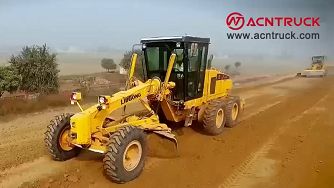
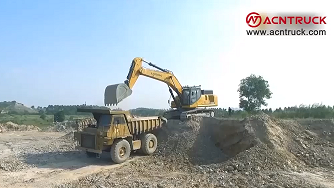
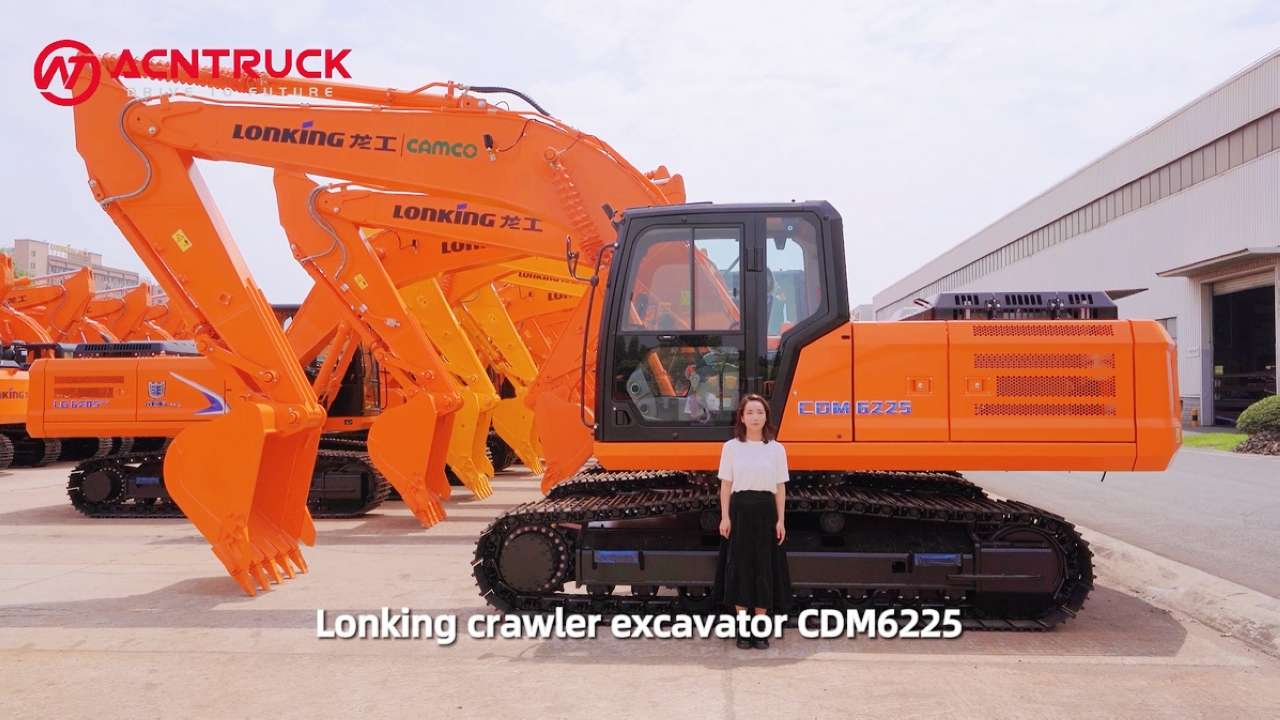
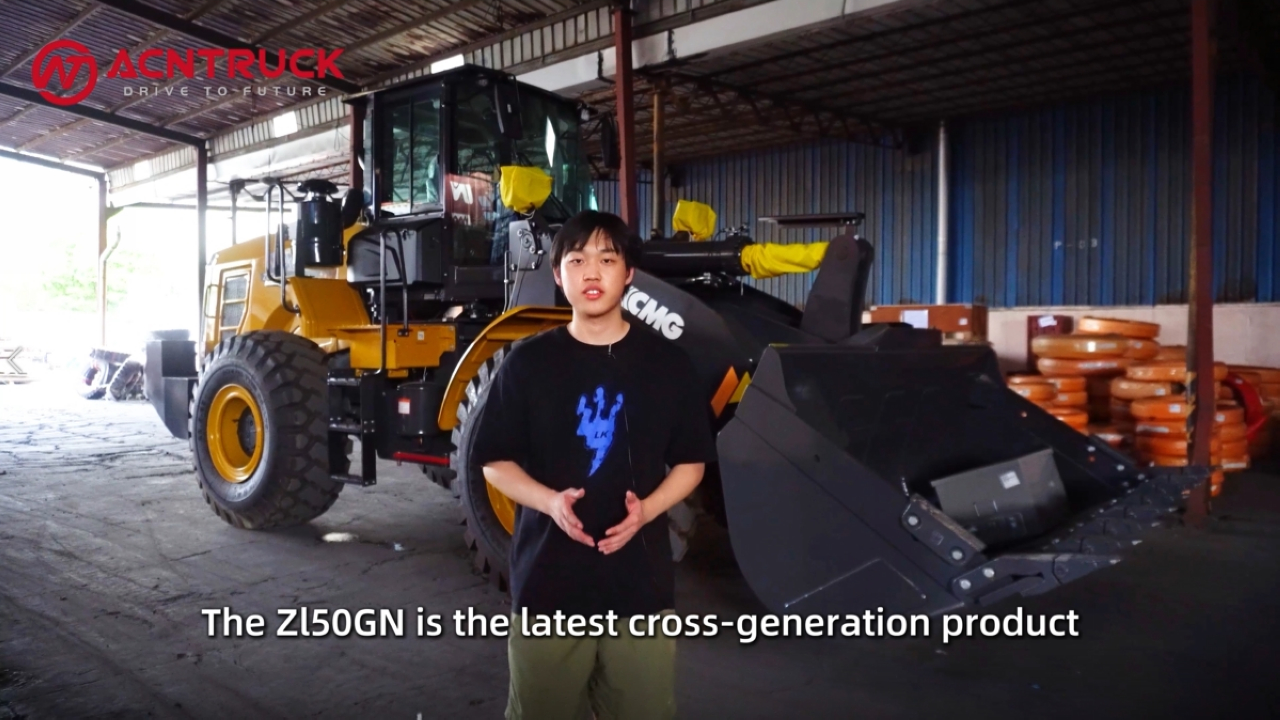
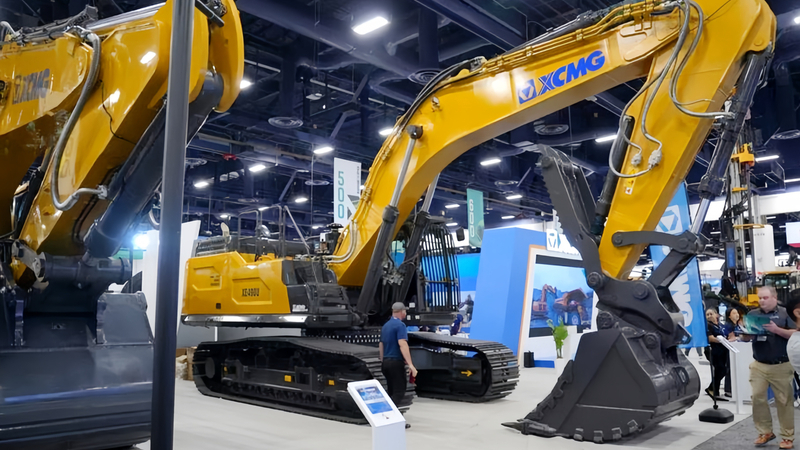
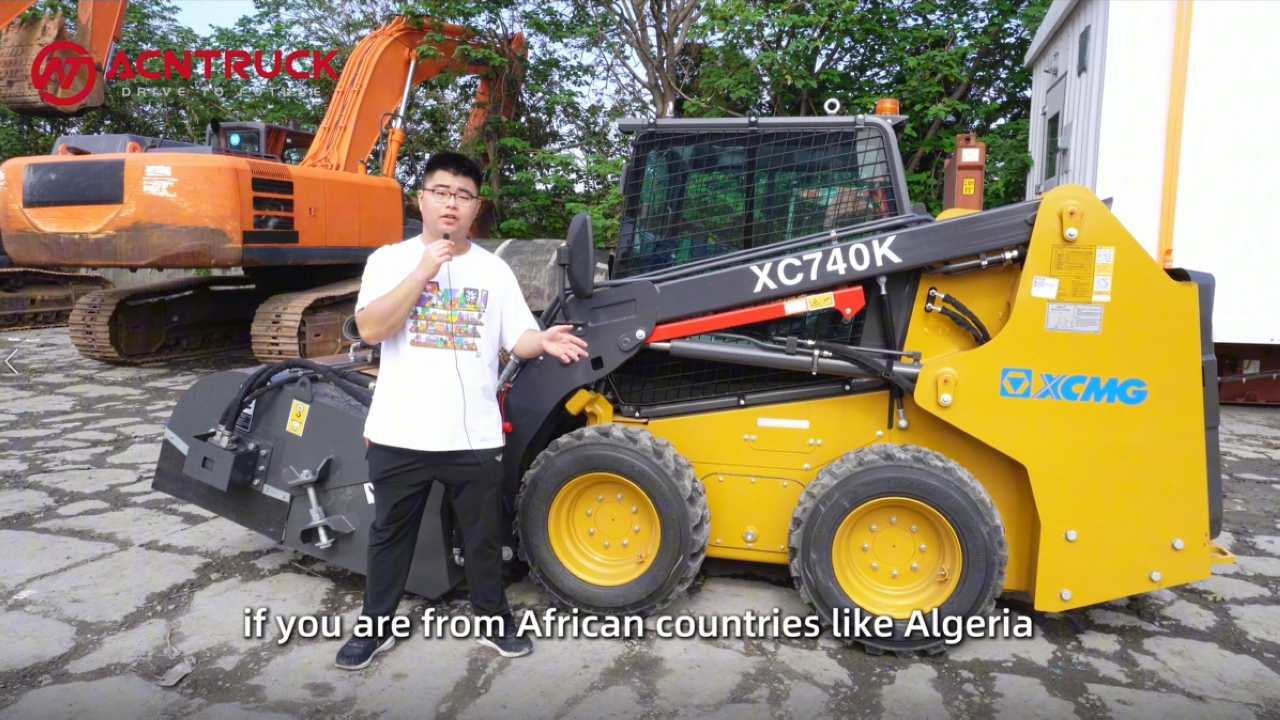
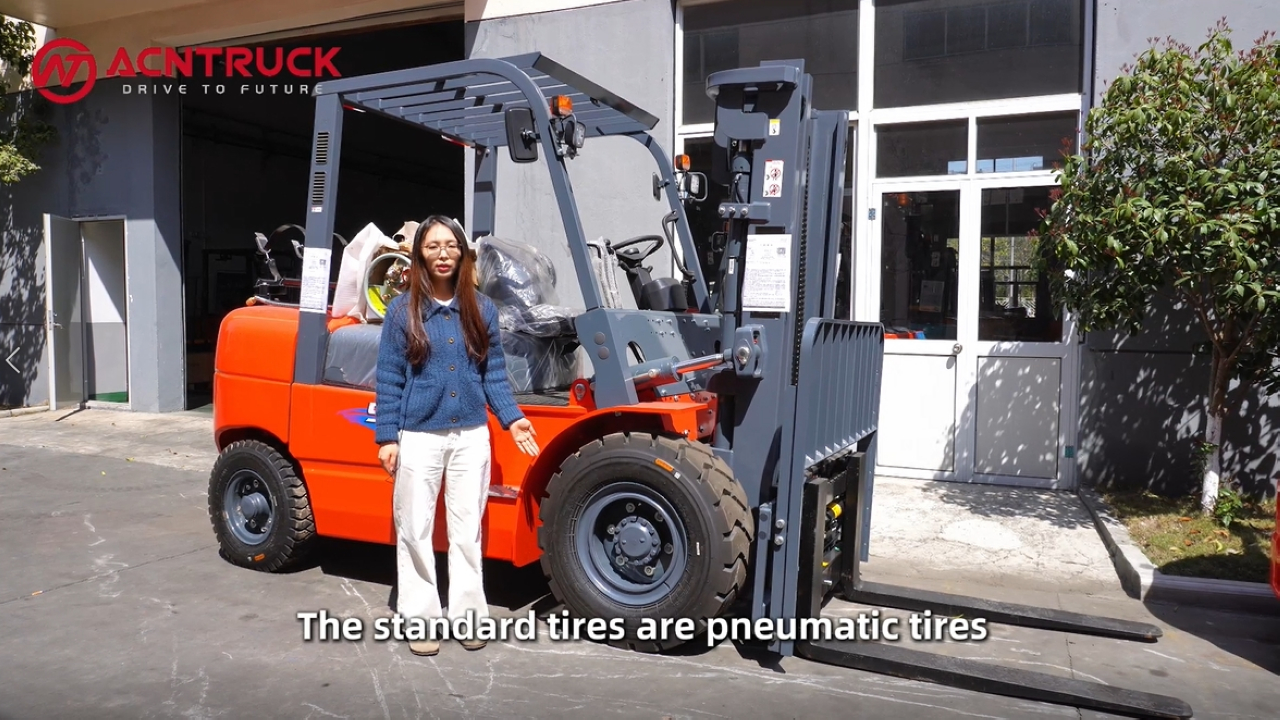
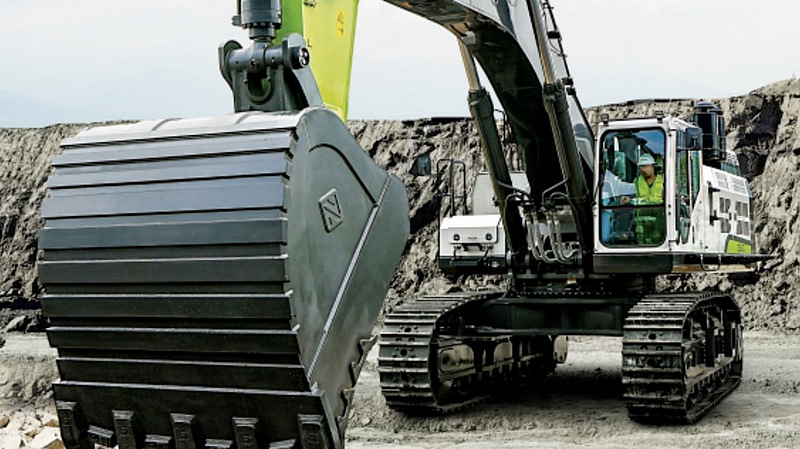
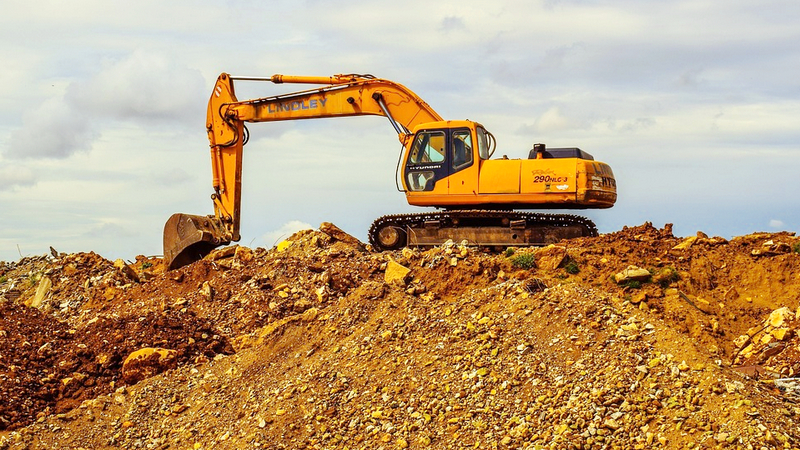
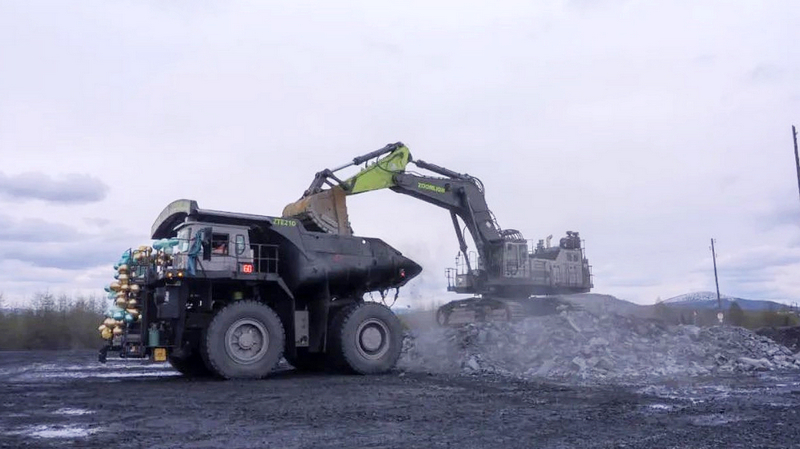
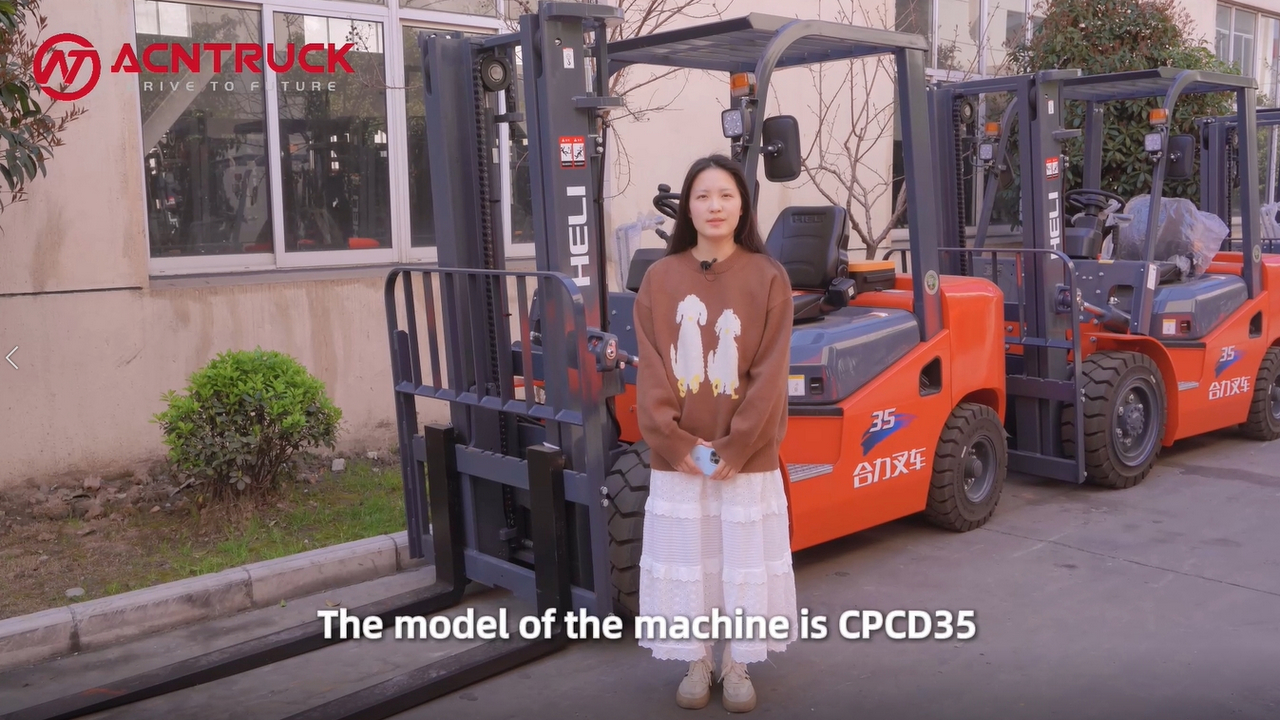
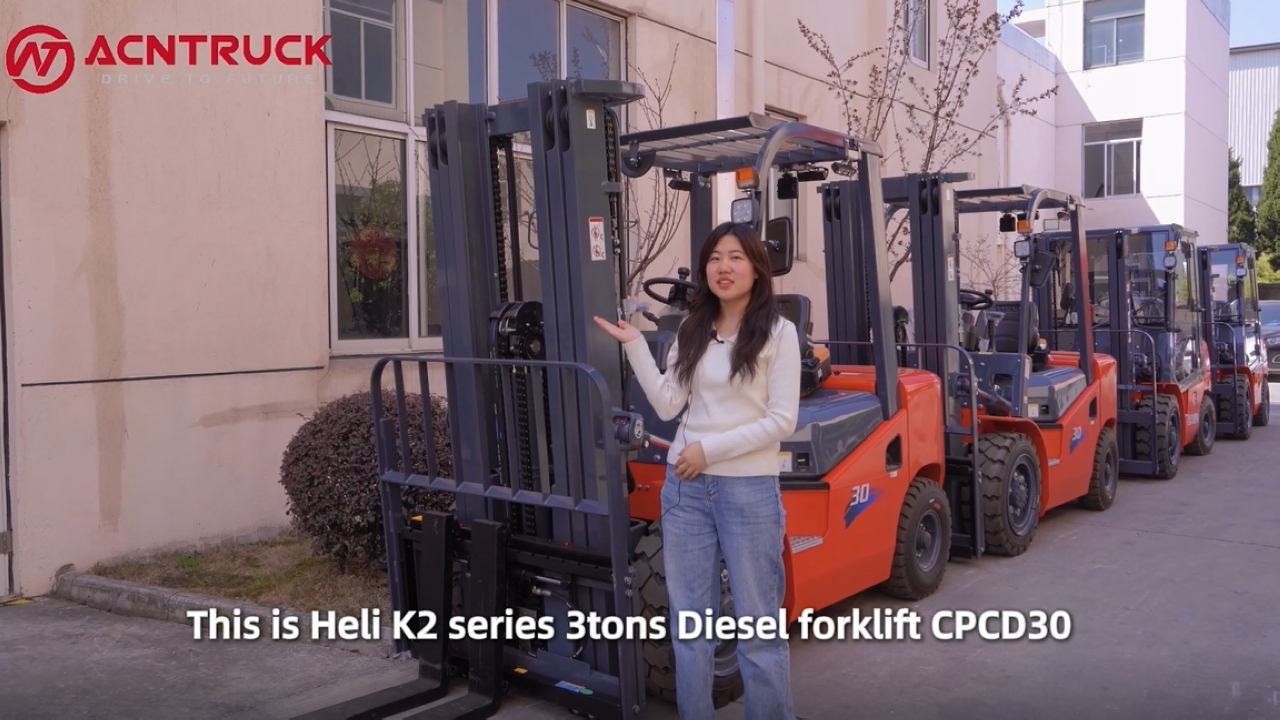
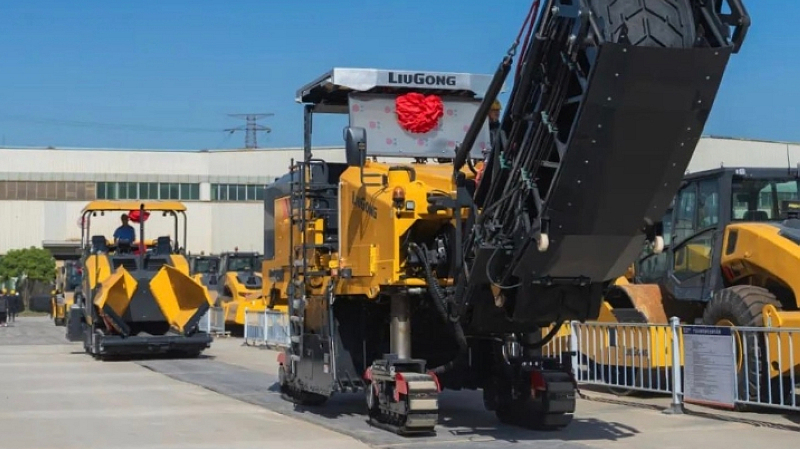
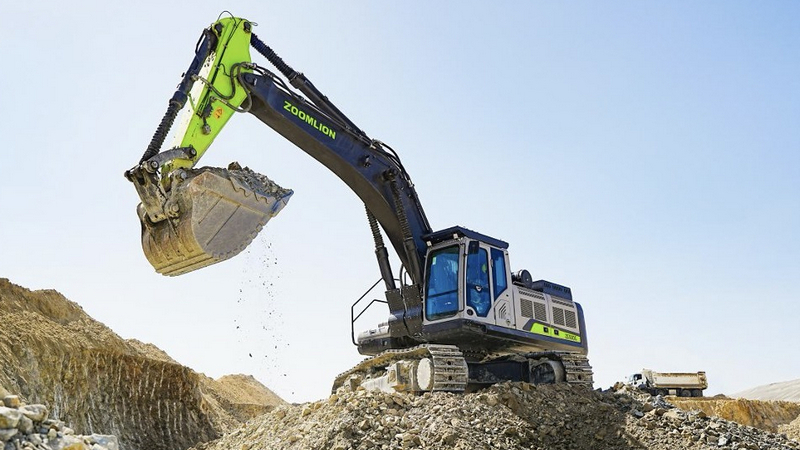
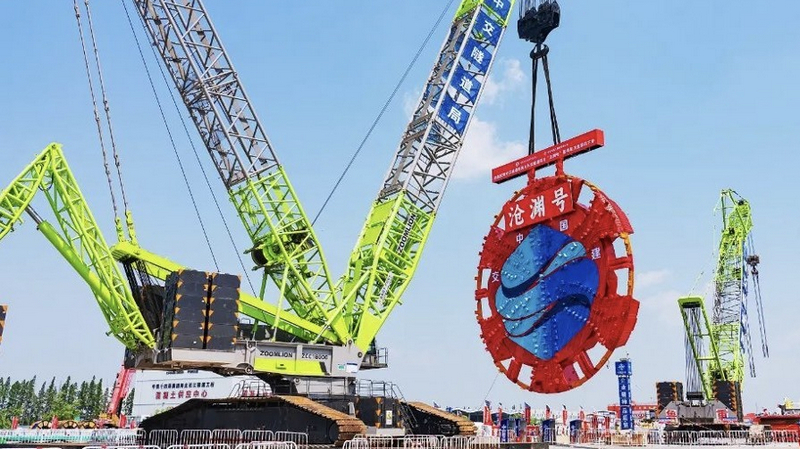
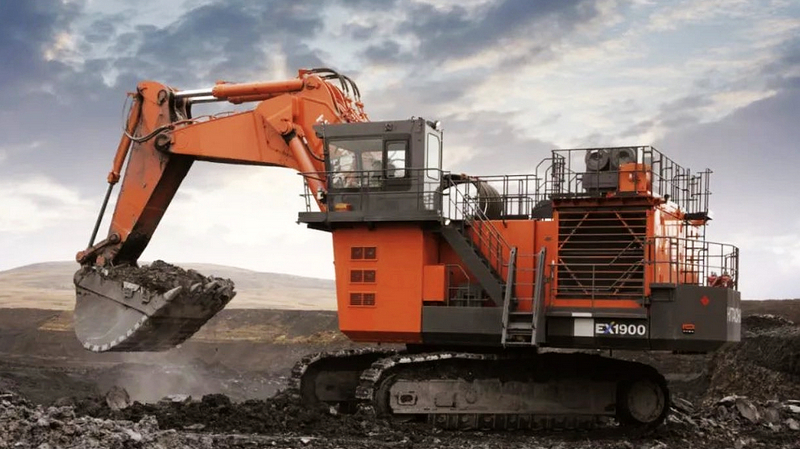
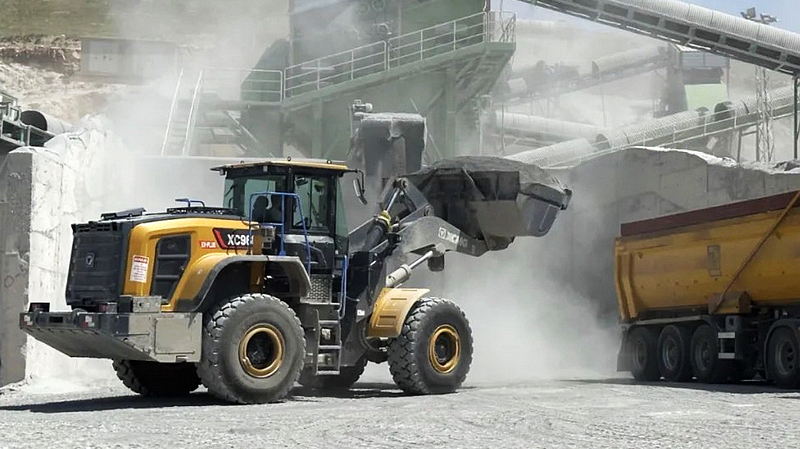
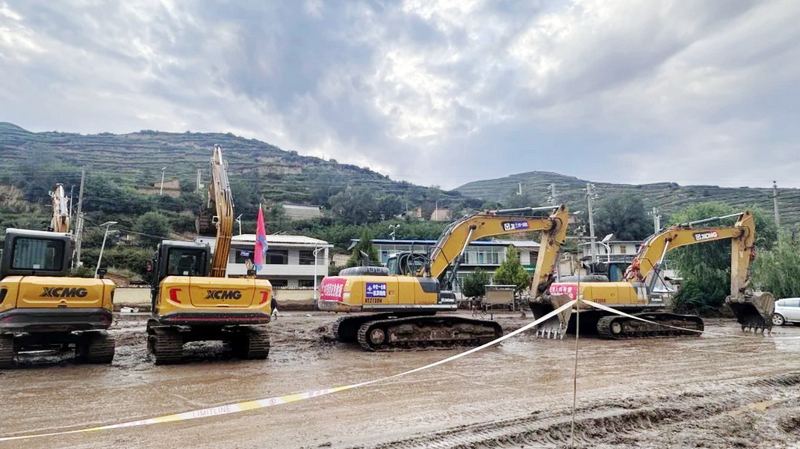
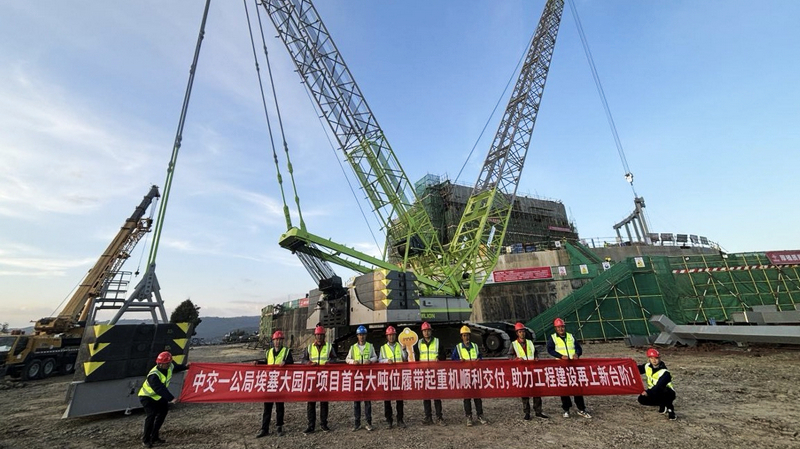
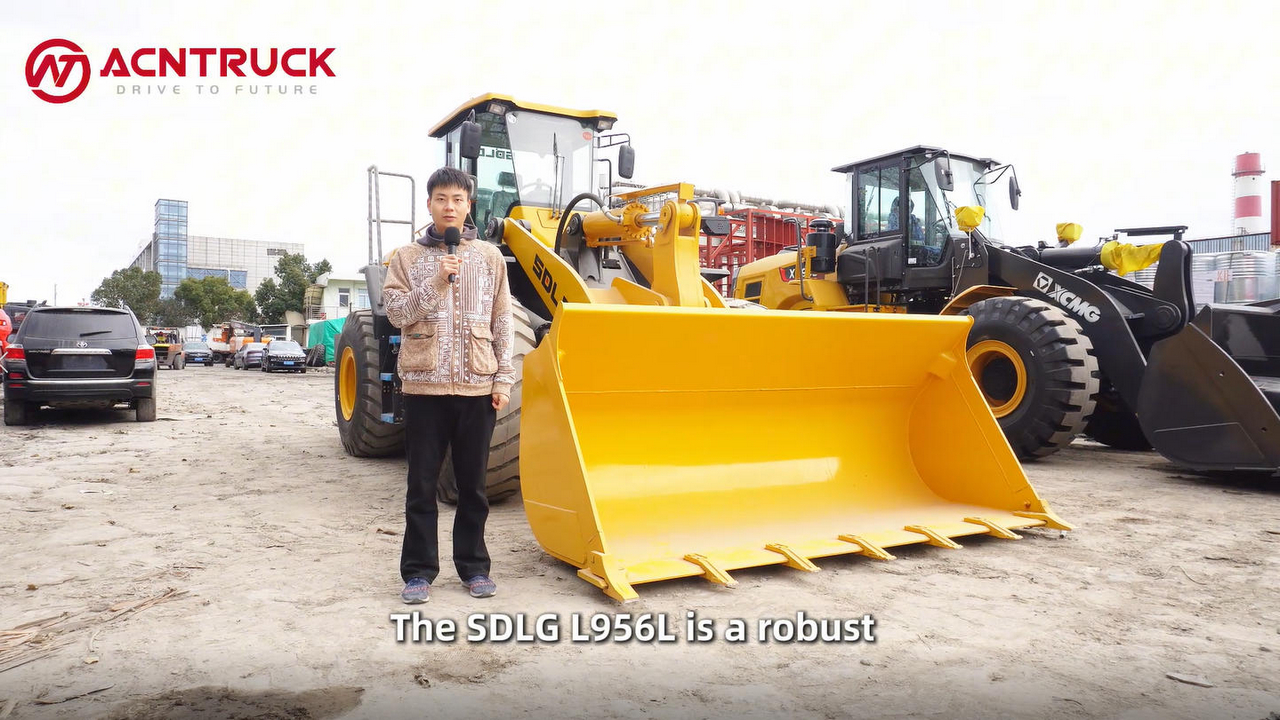
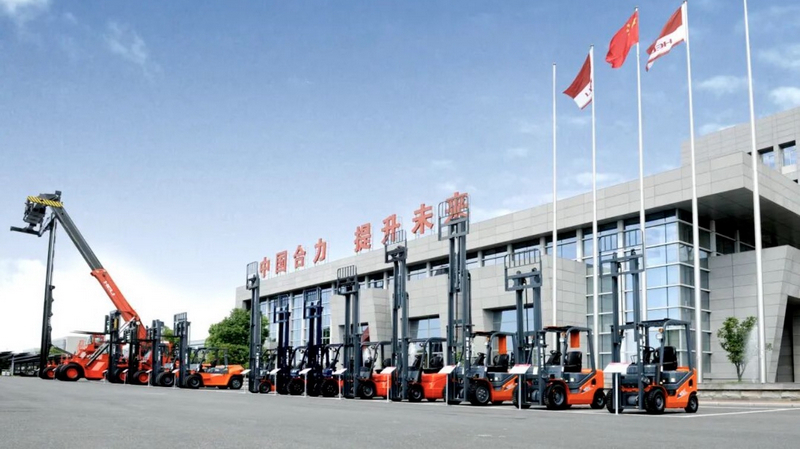
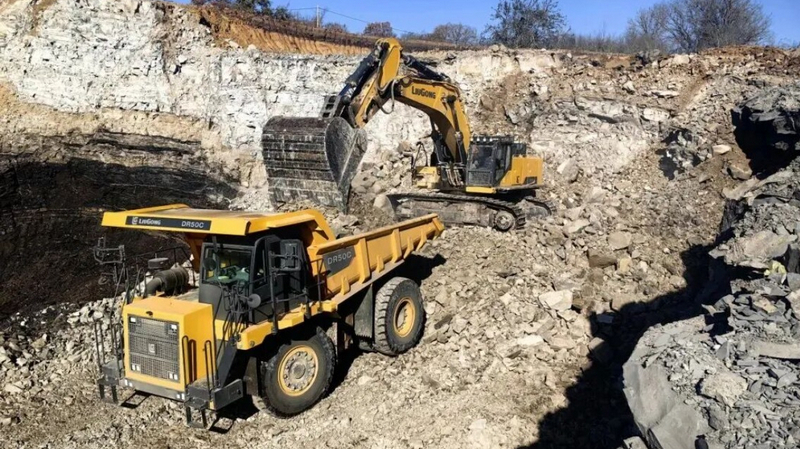
Equipment such as excavators, loaders, mining trucks, and heavy-duty forklifts
is rapidly shifting from fuel-powered to lithium-ion battery-powered systems,
driving the continued expansion of the construction machinery power battery
market.
Compared to passenger vehicles, the
operating environments for construction machinery are more complex. Scenarios
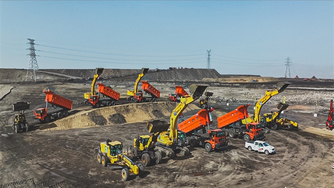
such as mines, construction sites, and ports typically involve heavy loads,
wide temperature ranges, and intense vibrations, placing higher demands on the
safety, cycle life, and fast-charging capabilities of power batteries. GGII
forecasts that by 2030, the overall electrification penetration rate in China’s
construction machinery industry will exceed 50%. The continued growth in
production volume of heavy-duty equipment will also drive the development of
the upstream battery materials and core equipment supply chains.
Heavy-Duty Equipment Emerges as a Key Growth Area
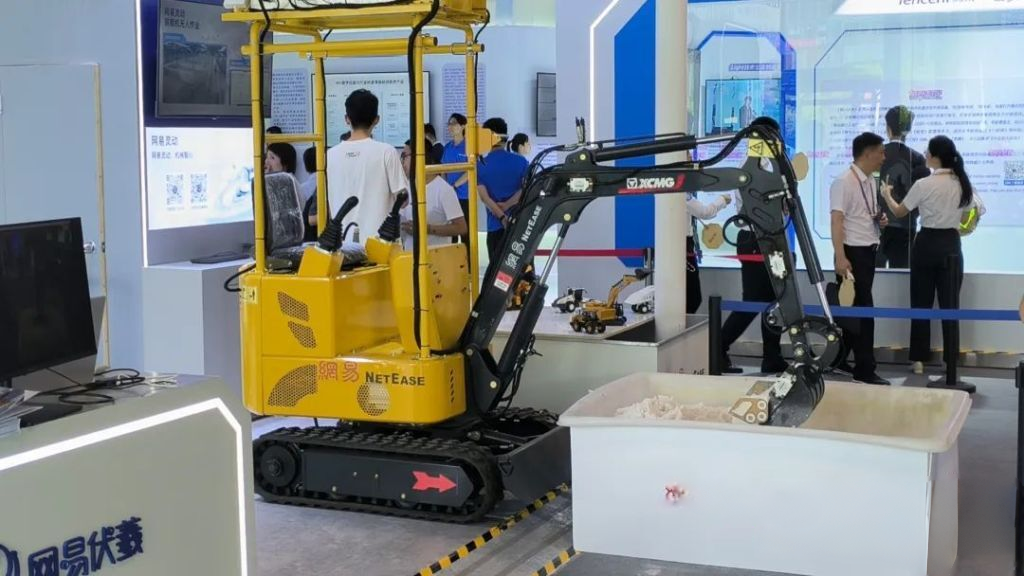
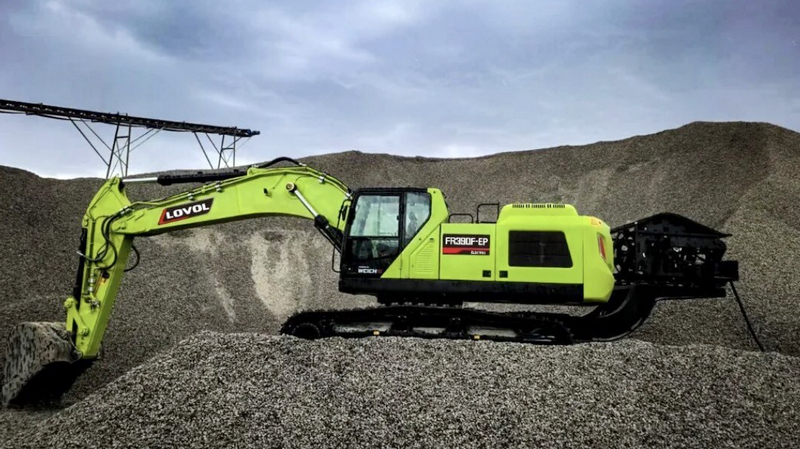
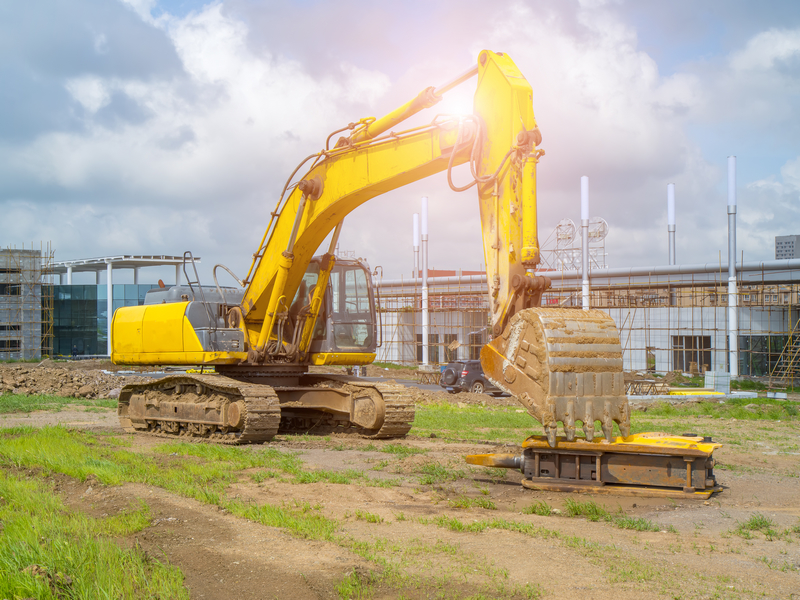
Currently, the electrification penetration rate for heavy-duty equipment such as excavators and mining trucks remains relatively low. In the first half of 2026, the overall penetration rate of electric excavators was approximately 0.21%. However, in enclosed operating environments such as mines, electric equipment offers significant Total Cost of Ownership (TCO) advantages and is expected to become one of the fastest-growing market segments over the next five years.
Driven by this trend, companies across the
industry chain are accelerating their efforts to electrify construction
machinery, and the pace of commercialization continues to pick up.
Machinery Manufacturers and Battery Companies Accelerate Their Strategies
On the machinery manufacturing side,
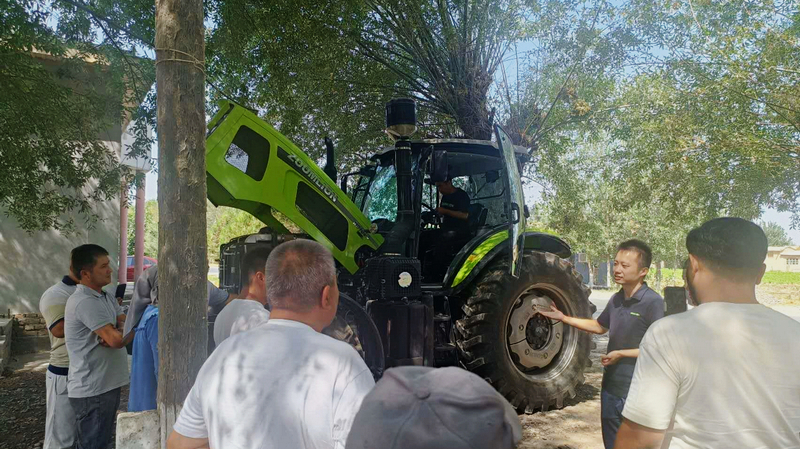
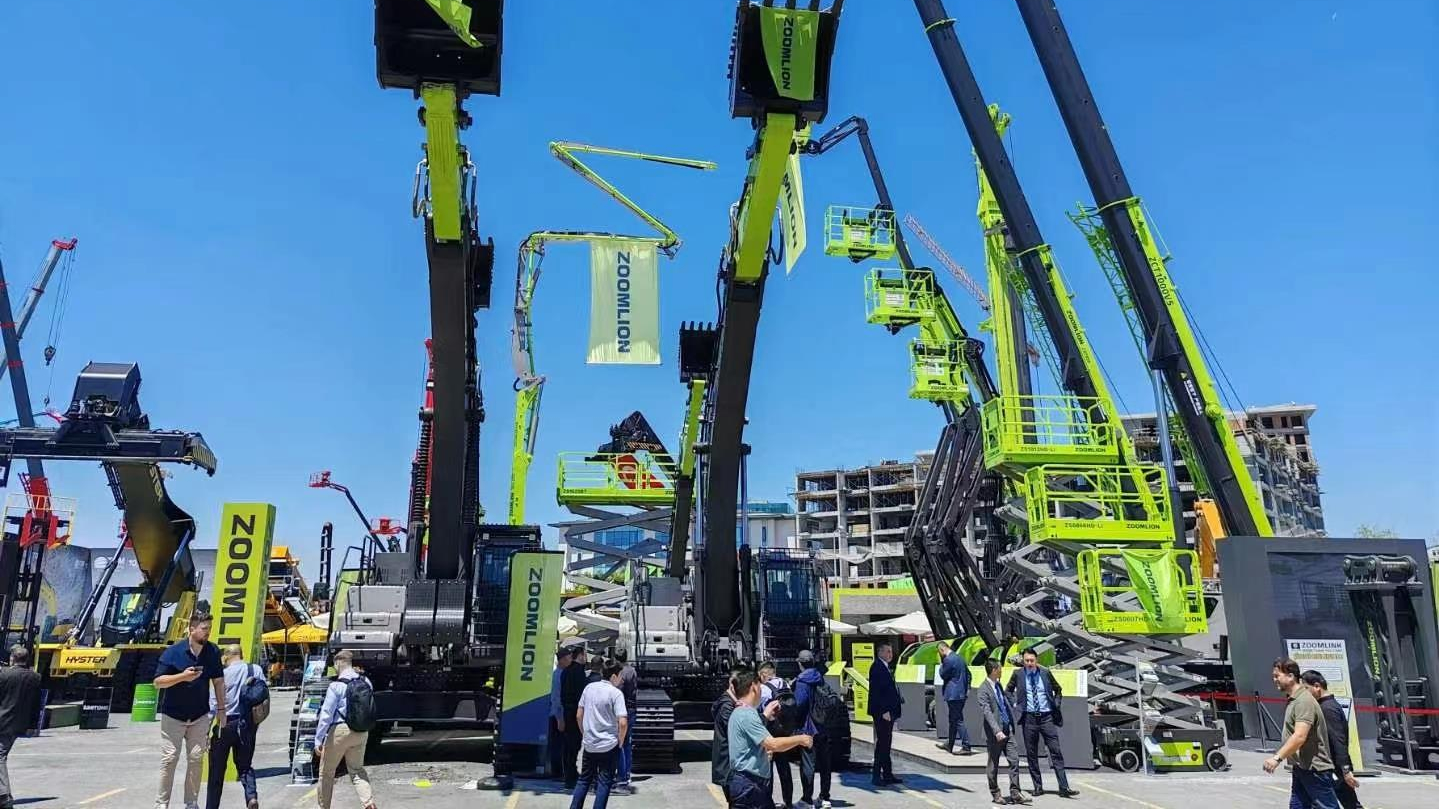
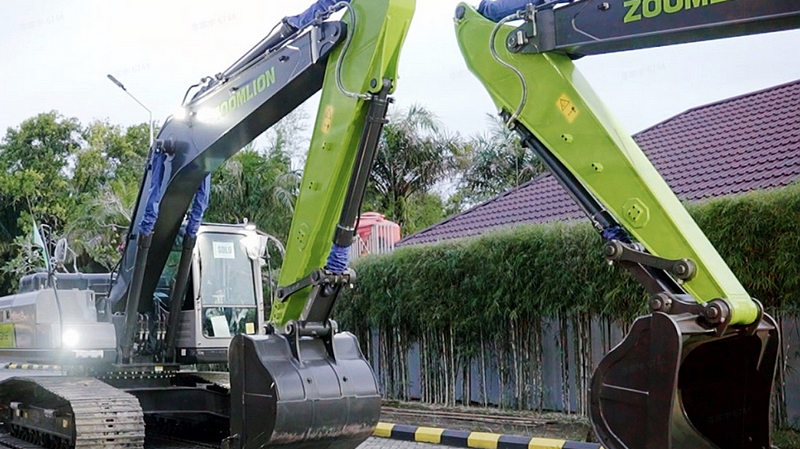
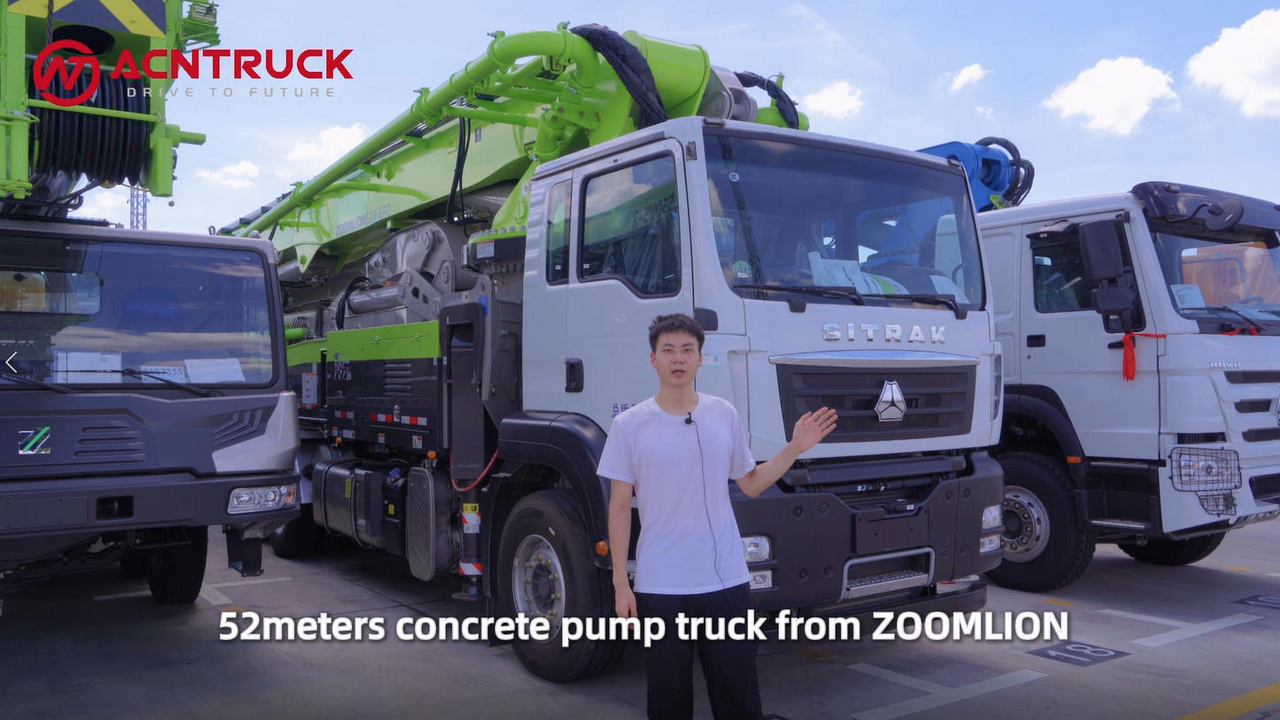
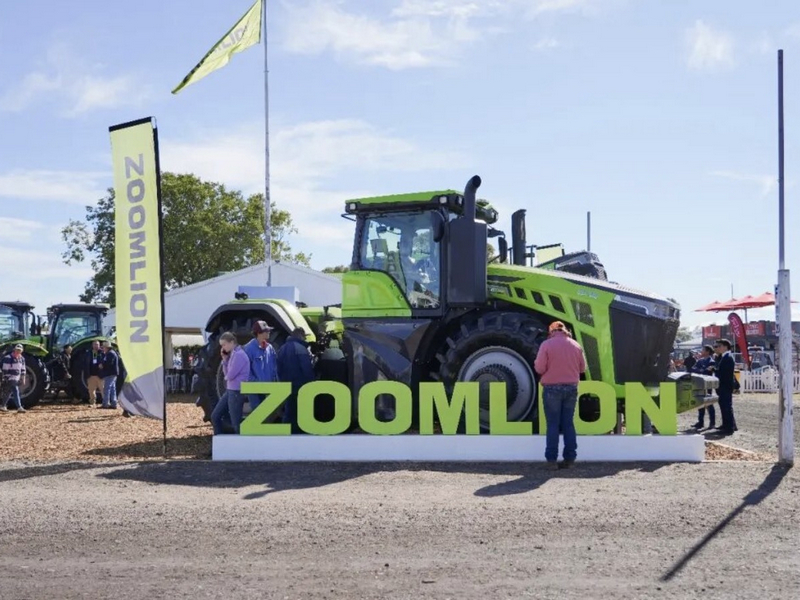
Zoomlion’s 2026 semi-annual report indicates that the company’s mining
machinery division is prioritizing “green, large-scale, and intelligent”
development, continuously building high-end mining equipment for the entire
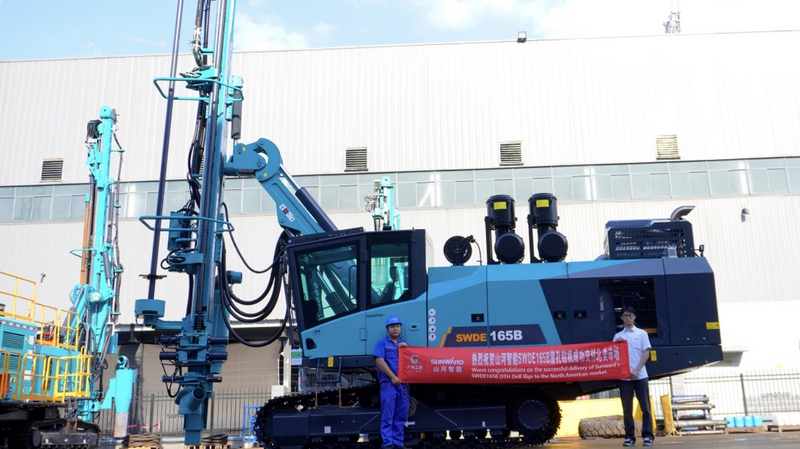
production process. Products such as wide-body trucks, down-the-hole drills,
mineral processing equipment, and electric mining trucks are developing in
tandem, and the company has already secured orders worth hundreds of millions
of yuan in the new energy sector.
In investor relations information released
in early September, Zoomlion stated that domestic coal mining is accelerating
its transition toward electrification and unmanned operations. The company
possesses technical advantages in mining trucks and excavators, having
established capabilities in integrated excavator-truck solutions,
electrification solutions, one-stop comprehensive solutions, and full-spectrum
maintenance services.
Meanwhile, lithium-ion battery companies
are also accelerating their entry into the construction machinery supply chain.
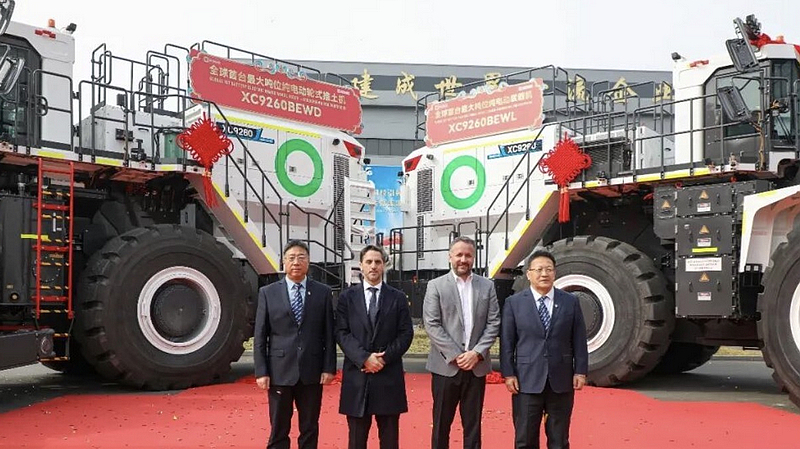
Previously, EVE Energy signed a strategic cooperation agreement with Xuzhou
XCMG New Energy Power Technology Co., Ltd., under which the two parties will
conduct joint development focused on construction equipment such as heavy-duty
trucks and mining trucks. EVE Energy stated that through battery technology
upgrades and large-scale deliveries, it will prioritize addressing the
challenges of range, cost, and compatibility faced by the electrification of
construction machinery.
Supporting Infrastructure Still Needs Improvement
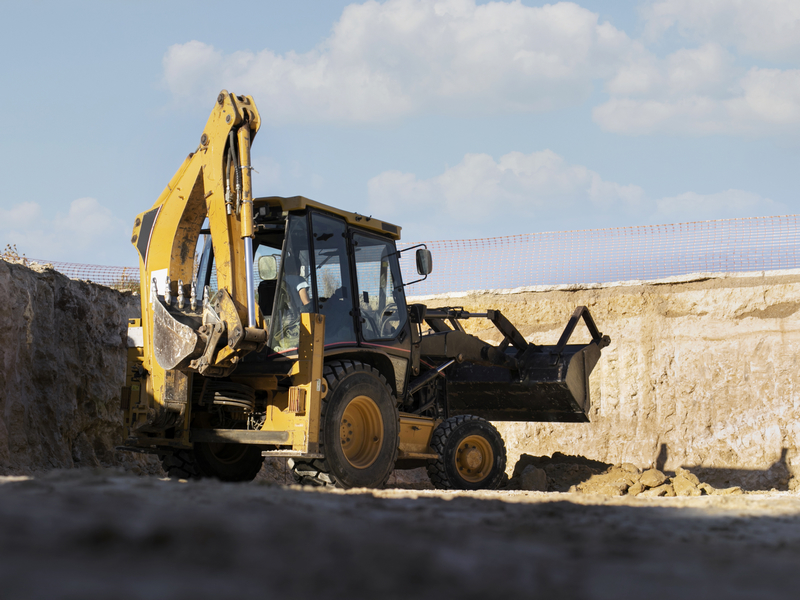
Industry insiders believe that the transition to lithium-ion batteries in construction machinery has moved from the conceptual stage to large-scale implementation, but the industry still faces some challenges. Operating conditions in environments such as mines and remote construction sites are complex, charging infrastructure is insufficient, and the issue of energy replenishment for off-grid operations still needs to be resolved.
Furthermore, power batteries for
construction machinery are highly customized; different tonnages and operating
conditions require varying battery specifications, making it difficult to
achieve the level of standardized production seen in passenger vehicles and
thereby increasing R&D and manufacturing costs.
In the medium to long term, as technology evolves and production scales up, battery system costs are expected to decline further. At the same time, supporting solutions such as battery swapping, mobile recharging, and microgrids are gradually maturing, which will further drive the electrification of construction machinery.

+86-21-6212-0109
+86-21-6212-0109
+86-188-0523-6192
+86-136-6172-8724
Suite 2107, Gubei International Fortune Center, No. 1438 Hongqiao Road, Changning District, Shanghai 200336, China