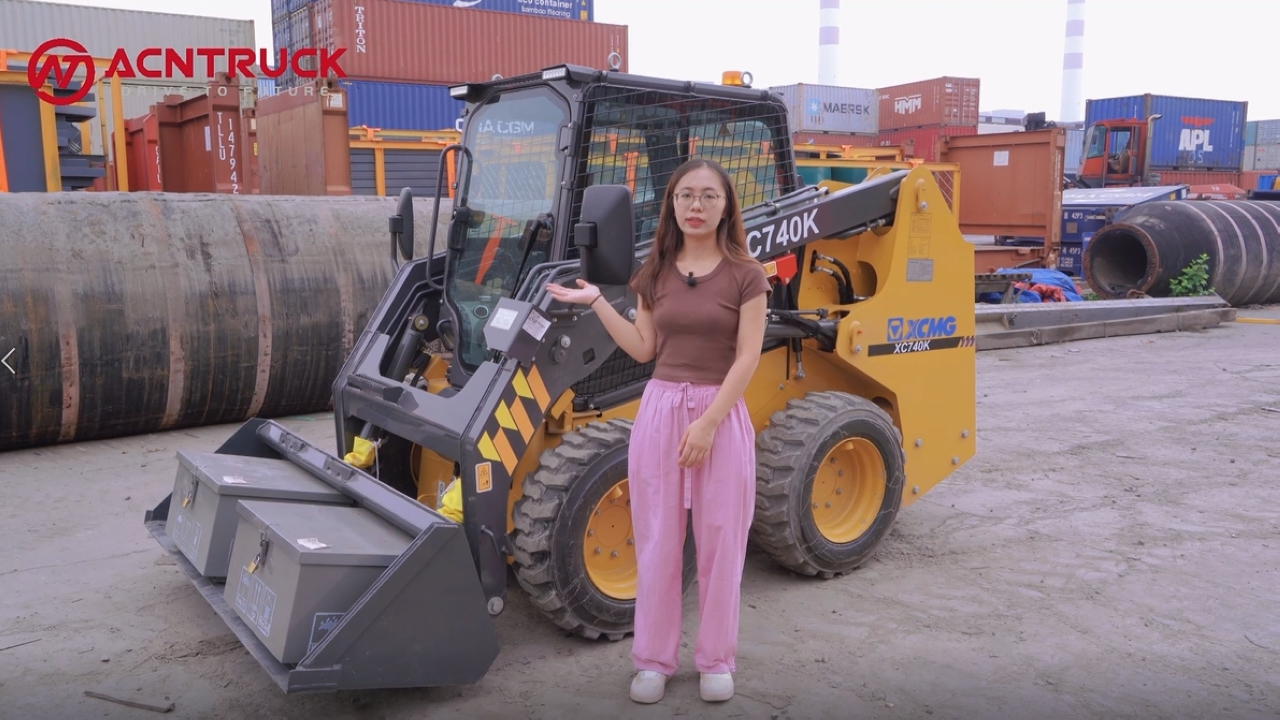
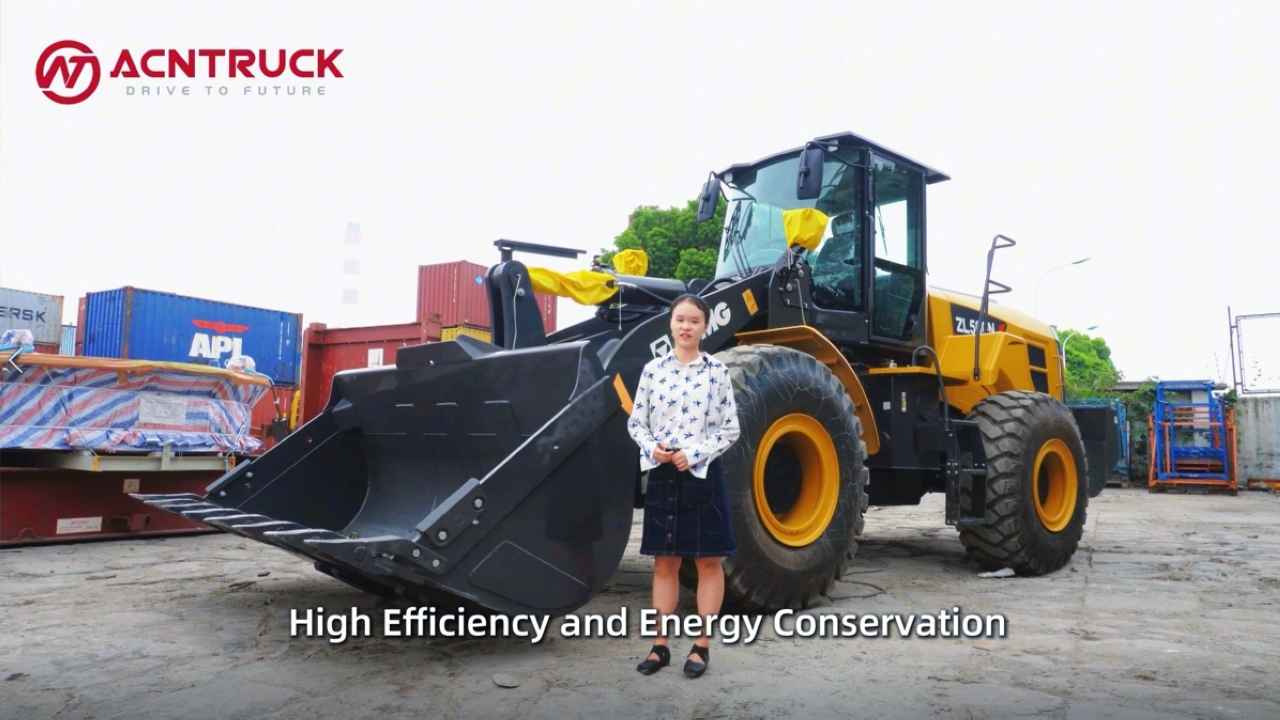
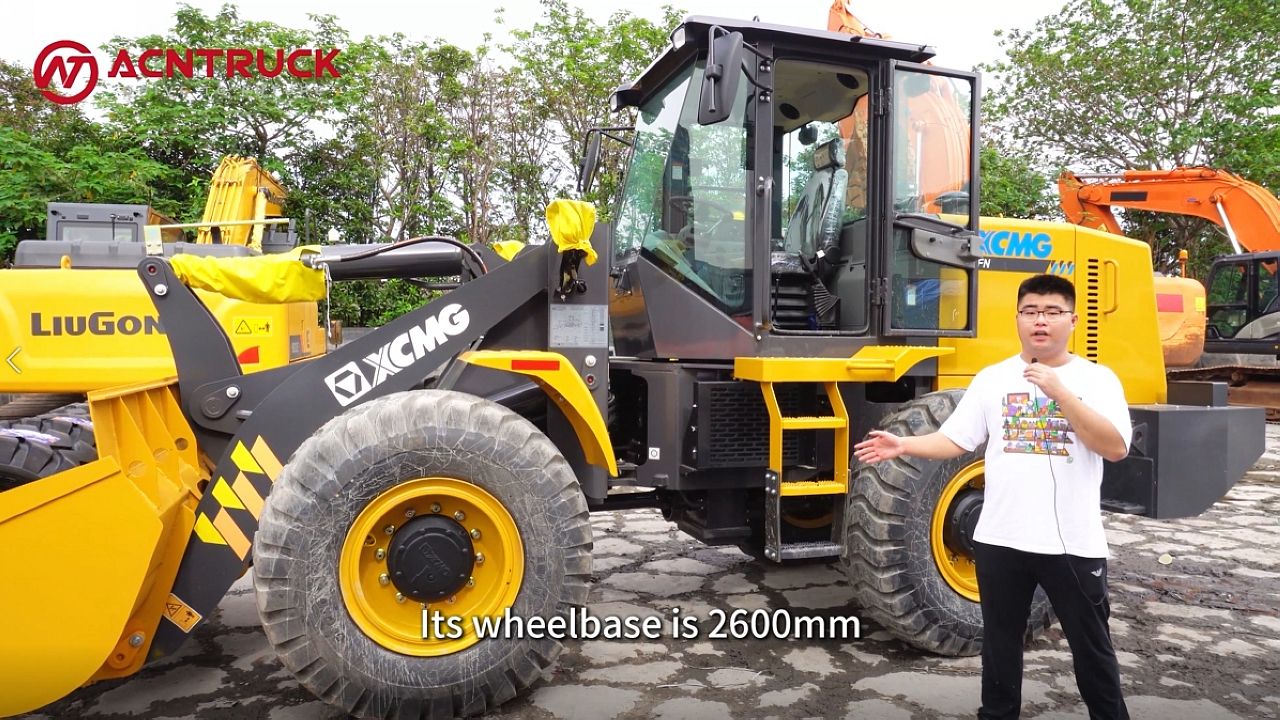
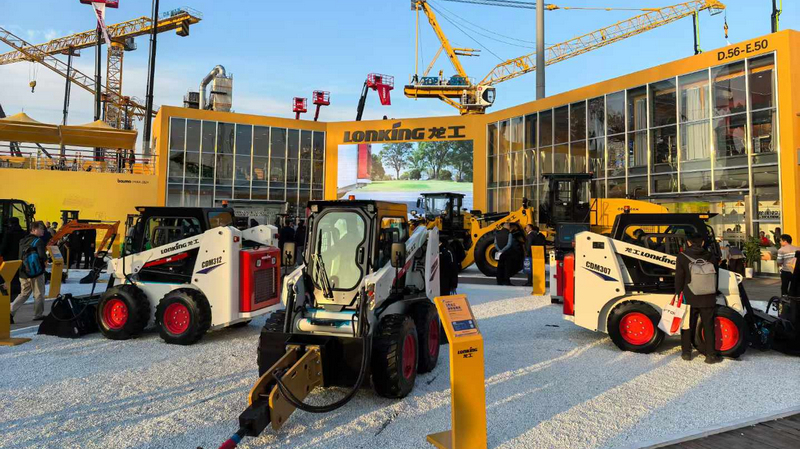
Forklift attachments are essential components that enhance the operational capabilities of forklifts. By installing different types of attachments, forklifts can adapt to a wide range of cargo handling, loading, unloading, and stacking requirements, making them widely used in industries such as logistics and warehousing, manufacturing, agriculture, construction, and recycling. Selecting the right forklift attachments helps improve operational efficiency and reduce the risk of cargo damage.
I. Key Application Scenarios for Forklift Attachments
1. Logistics and Warehousing
In logistics centers and warehouses, fork
positioners and side shifters help operators quickly adjust fork positions,
improving cargo alignment accuracy. Multi-pallet forks are suitable for
handling multiple pallets that meet the equipment’s load capacity requirements,
while telescopic forks facilitate the retrieval and storage of goods on
deep-bay racks.
2. Manufacturing
Manufacturing plants require frequent
handling of raw materials, components, and finished products. Rotators can be
used to tip bins or containers, while drum clamps are suitable for handling
drum-packed goods that meet the clamping requirements. Selecting the
appropriate attachments can meet the handling needs of different production
stages.
3. Agriculture
In agricultural production, bale clamps can
be used to handle goods such as hay bales and feed bales, while fork extensions
can be used for long-length goods that meet the rated load and operational
requirements. Attachments such as push-pull devices can also be used to handle
agricultural products packaged on sliding pallets.
4. Construction
Construction sites frequently require the
handling of pipes, concrete components, and other heavy materials. Specialized
pipe clamps, block clamps, and other attachments can help forklifts handle
goods with unusual shapes or those that are difficult to move with standard
forks. During actual operations, the appropriate attachment should be selected
based on the cargo’s shape, weight, and gripping requirements.
5. Recycling and Waste Management
In the waste management and recycling
industries, rotators can be used to empty containers, bale clamps can be used
to handle compressed waste paper or other baled materials, and fork clamps are
suitable for handling specific types of cargo. These attachments help improve
material handling efficiency and reduce spillage and damage during handling.
6. Retail and Distribution
Retail warehouses and distribution centers
need to handle goods of various sizes and packaging types. Side shifters and
fork positioners can improve the efficiency of cargo alignment, while push-pull
attachments are suitable for loading and unloading goods on skids. For canned
and bottled products, specialized handling attachments can also be selected
based on packaging type and operational requirements.
7. Food, Beverage, and Paper Packaging Industries
In the food and beverage industry, drum
clamps can be used to handle containers that meet the clamping requirements,
while rotators can be used for tipping specific containers. In the paper and
packaging industries, paper roll clamps and bale clamps are suitable for
handling paper rolls, cardboard, and packaging materials, helping to reduce
surface damage to the goods.
8. Automotive, Aviation, and Port Logistics
In the automotive and aviation
manufacturing sectors, specialized attachments can be selected based on the
size and weight of engines, tires, and components. Ports and logistics
terminals can use side shifters, fork extensions, and other compatible
attachments to improve the efficiency of loading and unloading various types of
cargo. When handling large or overweight cargo, it is essential to verify the
rated load capacity of both the forklift and its attachments.
II. Key Advantages of Using Forklift Attachments
Enhanced Equipment Versatility: Different attachments expand a forklift’s operational scope, enabling a single forklift to handle a variety of material-handling tasks and reducing reliance on other specialized equipment.
Improved Operational Efficiency: The right attachments help reduce the time required for cargo positioning, loading, unloading, and handling, thereby improving efficiency in warehousing and production processes.
Reduced Risk of Cargo Damage: Selecting specialized attachments based on the shape and packaging of the cargo improves gripping or support, thereby reducing the risk of crushing, impact, and surface damage during handling.
Optimized Equipment Operating Costs: By strategically configuring attachments, companies can increase the utilization rate of existing forklifts and reduce the need for duplicate equipment purchases. However, actual cost-effectiveness also depends on the price of the attachments, maintenance requirements, and frequency of use.
III. How to Select Forklift Attachments Appropriately
When selecting forklift attachments, key
considerations include the cargo’s weight, dimensions, shape, packaging method,
and the actual operating environment. Additionally, it is essential to verify
that the attachment is compatible with the forklift’s mounting method,
hydraulic system, and rated load capacity.
After installing an attachment, the
forklift’s actual load-carrying capacity may change. Before operation, verify
the equipment nameplate and the load data provided by the manufacturer, and
perform inspections and maintenance in accordance with operating requirements
to ensure safe operation.
Forklift attachments enhance the forklift’s adaptability and meet material handling needs across various industries. Selecting the appropriate attachment based on the characteristics of the cargo and operating conditions, while ensuring proper equipment compatibility and adhering to operating procedures, helps improve handling efficiency, protect cargo, and optimize equipment operating costs.

+86-21-6212-0109
+86-21-6212-0109
+86-188-0523-6192
+86-136-6172-8724
Suite 2107, Gubei International Fortune Center, No. 1438 Hongqiao Road, Changning District, Shanghai 200336, China